Exploring the Aluminum Foundry: Innovations and Processes in Metal Casting
Within the aluminum foundry, a transformation is underway. Conventional casting processes are being enhanced by contemporary technologies. Processes like sand mold casting and die casting are progressing, while breakthroughs such as three-dimensional printing and automated systems redefine the frontiers of performance. Eco-consciousness is emerging as a key priority, encouraging the industry to adopt eco-friendly practices. As these developments take shape, one must examine the impact for the future of foundry operations and the fields it serves.
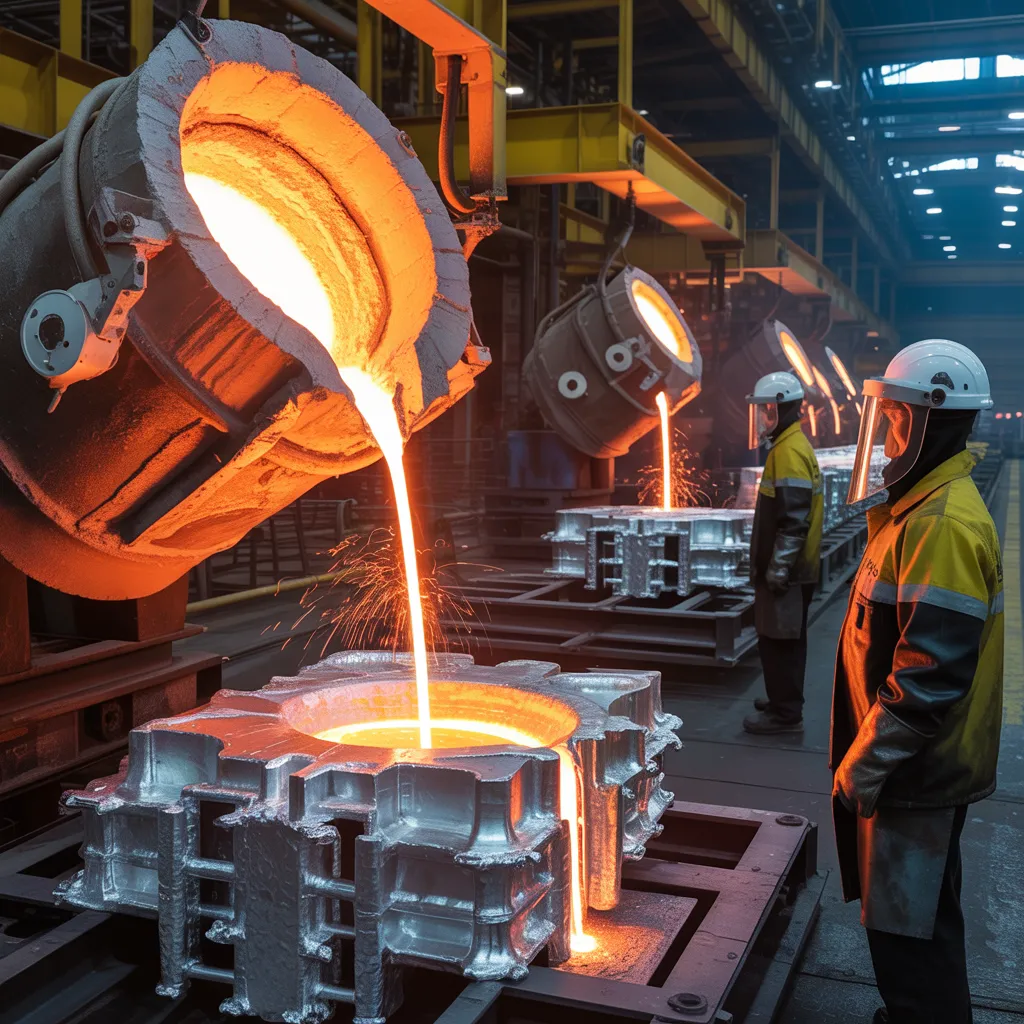
The Core Concepts of Aluminum Casting Processes
Aluminum casting methods constitute the foundation of modern manufacturing, facilitating the creation of strong yet light components. These techniques require melting aluminum and pouring it into molds to achieve desired shapes and specifications. The flexibility of aluminum supports numerous applications spanning various industries, including automotive, aerospace, and consumer goods.
The primary techniques of aluminium casting consist of die casting, sand casting, and investment casting, each providing unique benefits. Sand casting utilizes a blend of sand and binder materials to create molds, whereas die casting utilizes metallic molds for precision and high-volume production. Investment casting, on the other hand, offers outstanding surface finishes and detailed designs.
Despite their differences, every method demands precise temperature regulation and rigorous quality management to guarantee the consistency of the final product. As manufacturers continue to innovate, the effectiveness and efficiency of aluminum casting techniques remain essential to progressing contemporary engineering innovations.
Core Techniques for Molding and Casting Aluminum
In the realm of aluminum casting, proper casting and pouring methods are essential for producing high-quality products. Sand casting methods offer versatility and cost-effectiveness, while die casting processes secure accuracy and uniformity in manufacturing. Comprehending these primary techniques is critical for improving the aluminum casting workflow.
Sand Casting Methods
A variety of sand casting methods are critical to the proper molding and casting of aluminum. These approaches chiefly encompass green sand casting, where a mixture of sand, clay, and water is used to develop molds that are both flexible and strong. Additionally, resin-bonded sand molds ensure enhanced durability and surface finish, rendering them ideal for complex designs. A further method, lost foam casting, makes use of a foam model that vaporizes during the aluminum pouring valuable resource phase, forming detailed shapes with reduced machining requirements. Each process delivers notable benefits, like economic benefits or superior precision, allowing foundries to select the best method relative to production specifications and the intricacy of the aluminum pieces being fabricated.
Die Casting Techniques
Die casting methods represent an essential part of aluminum fabrication, delivering exactness and productivity in production. This method entails pushing melted aluminum into a metal die under elevated pressure, allowing for intricate designs and tight tolerances. Two principal approaches prevail in manufacturing: hot chamber and cold chamber casting methods. Hot chamber die casting is suitable for alloys with low melting points, as it minimizes metal exposure to air. In contrast, cold chamber die casting is ideal for high-temperature alloys, demanding independent melting and injection setups. Both techniques ensure fast manufacturing cycles, reducing waste and enhancing dimensional accuracy. As sectors continue to require lighter parts, these molding processes persist in developing, incorporating cutting-edge innovations to address contemporary production demands.
Advancing Technologies in Aluminum Casting
With progress in materials science continue to evolve, aluminum casting is undergoing a significant shift driven by innovative technologies. One significant breakthrough involves the incorporation of 3D printing, which facilitates the rapid creation of complex molds and cores, significantly cutting lead times and costs. Moreover, the use of advanced simulation software allows foundries to improve casting procedures, reducing defects and enhancing material yield.
Another emerging technology is the adoption of robotic automation, which enhances precision and efficiency in managing materials and performing repetitive tasks. Moreover, the implementation of real-time monitoring systems powered by IoT devices facilitates better quality control by providing immediate feedback on process parameters.
These advancements not only simplify processes but also improve the overall standard of aluminum castings, placing the industry in a strong position for future growth and success. As these technologies become more mainstream, they promise to reshape the landscape of aluminum casting considerably.
How Aluminum Casting Is Able to Be Sustainable
While the aluminum casting industry faces mounting expectations to implement environmentally responsible methods, various solutions are developing to respond to sustainability issues. One prominent strategy centers on the advanced recovery and reuse of aluminum, which significantly lowers energy usage and carbon emissions relative to virgin material manufacturing. By incorporating reclaimed aluminum, metal casting facilities can reduce waste and shrink their environmental impact.
Moreover, many foundries are embracing sustainable technologies, such as advanced electric furnaces and enhanced insulation, to minimize energy consumption during the metal melting process. The integration of closed-circuit water systems also assists in reducing water waste, a key resource in manufacturing operations.
Additionally, embracing sustainable processes and materials, featuring biodegradable binding agents and reduced-emission coatings, contributes to a more environmentally responsible production process. These measures not only satisfy environmental standards but also fulfill the growing consumer demand for sustainable production methods, situating the aluminum casting sector as a responsible leader in sustainable development.
Improving Efficiency Through Technology in Aluminum Foundries
The incorporation of technology in aluminum foundries plays an essential role in boosting production efficiency. Automation optimizes workflows, while intelligent monitoring solutions deliver instantaneous data on production metrics. Additionally, advanced analytics platforms allow foundries to enhance efficiency and minimize waste, fostering advancement across the sector.
Automation Within Metal Casting
In what ways can automation reshape the world of aluminum foundries? Automation incorporates sophisticated technologies that optimize processes, considerably boosting operational performance. Through the incorporation of robotics and automated equipment, foundries can attain accurate material handling and minimize human error in casting operations. This shift not only accelerates production rates but also guarantees consistent quality in finished products. Automated systems can oversee responsibilities such as mold preparation, pouring, and cooling, freeing skilled workers to address more intricate challenges. Additionally, data-driven analytics can optimize production schedules and resource allocation, further maximizing output. The adoption of automation fosters a safer work environment by minimizing manual labor risks, ultimately positioning aluminum foundries to meet increasing market demands with agility and reliability.
Intelligent Monitoring Solutions
Revolutionizing the operational framework of aluminium casting facilities, smart monitoring systems utilize live data streams to enhance efficiency and productivity. These cutting-edge platforms combine IoT-enabled sensors to consistently track key operational variables such as pressure, temperature, and material flow rates. By delivering real-time insights, they empower workers to make data-driven choices, detecting problems early before they worsen. Such a forward-thinking strategy decreases downtime while reducing material waste, resulting in significant cost reductions. Additionally, smart monitoring systems facilitate improved resource allocation by evaluating operational patterns and streamlining workflows. Consequently, aluminium foundries can deliver improved product quality while adhering to sustainable production standards, securing a competitive edge in a growing and demanding industry. Such technological adoption represents a major advancement in foundry innovation.
Data Analytics Applications
Building on the progress in intelligent monitoring solutions, data analytics tools are revolutionizing aluminum foundries by capitalizing on enormous volumes of operational data. These applications enable foundries to examine manufacturing patterns, pinpoint operational weaknesses, and anticipate machinery breakdowns in advance. By leveraging machine learning algorithms, foundries can enhance melting procedures and enhance alloy compositions, producing elevated output standards. Additionally, data analytics facilitates real-time decision-making, allowing operators to adjust parameters on the fly and reduce waste. Adopting predictive analytics assists in coordinating upkeep, consequently limiting production halts. Ultimately, data analytics not only enhances processes but also nurtures a culture of ongoing advancement, consistently boosting profitability and long-term viability within the aluminum casting industry.
Emerging Trends in Aluminum Casting Operations
Within the continuously advancing realm of production operations, a major change is in progress in aluminum casting production. Industry stakeholders are progressively adopting innovative technologies such as AI, automation, and machine learning to elevate performance and accuracy. Such advancements enable instantaneous oversight of casting procedures, enabling prompt corrections and reducing defects.
Sustainability is an additional key trend; foundries are embracing environmentally conscious practices, which include recycling scrap aluminum and minimizing energy usage. Additive manufacturing techniques are also gaining traction, enabling the production of complex geometries that traditional methods cannot achieve.
In addition, the demand for lightweight materials in automotive and aerospace sectors is spurring the development of high-grade aluminum alloys. As these developments align, the aluminum casting market is on the brink of a new era of transformation, characterized by heightened competition and a focus on environmentally responsible practices.
Questions We Often Receive
What Safety Measures Are Essential in Aluminum Foundries?
Fundamental safety requirements in aluminum smelting operations encompass effective air circulation, personal protective equipment (PPE), routine machinery upkeep, training in emergency procedures, and compliance with safety guidelines to ensure worker wellbeing and minimize workplace accidents.
How Do Temperature Fluctuations Affect Aluminum Casting
Variations in temperature often produce inconsistent cooling rates in aluminum casting, producing defects including structural warping or surface cracking. Ensuring temperature stability is critical for obtaining uniform material solidification and ideal mechanical properties in the completed casting.
What Defects Are Commonly Found in Aluminum Castings?
Frequent issues in aluminum castings encompass porosity, shrinkage, misruns, cold shuts, and inclusions. These defects develop from factors like poor thermal regulation, insufficient mold configuration, and contamination, ultimately affecting the strength and reliability of the castings.
How Is Quality Control Upheld in Aluminum Foundries?
Quality assurance in aluminum foundries is upheld through rigorous inspection processes, conformance to established industry standards, routine equipment calibration, and constant monitoring of casting parameters, ensuring consistency and minimizing defects throughout the production cycle.
What Certifications Do Aluminum Foundries Typically Require?
Aluminum casting facilities generally need certifications such as ISO 9001 for quality management, ISO 14001 for environmental oversight, and specific industry standards like ASTM or SAE to ensure adherence to safety and quality regulations in aluminum casting operations.